
Seminar/CLE
Winston Hosts 2026 Financial Services Symposium in Charlotte
Seminar/CLE
January 29, 2026, 9:30 AM - 6:00 PM
Winston’s Financial Services Industry Group was pleased to host our 3rd Annual Financial Services Symposium. This year, the event included a full day of programming led by top industry thought leaders.
Our keynote speaker, Chris DeSantis—an independent organizational behavior practitioner, speaker, podcast host of Cubicle Confidential, and author of Why I Find You Irritating: Navigating Generational Friction at Work—shared insights on understanding, appreciating, and leveraging generational perspectives to benefit our companies and teams. Below you will find key takeaways from the panels.
FinTech, Banking & Payments Sessions
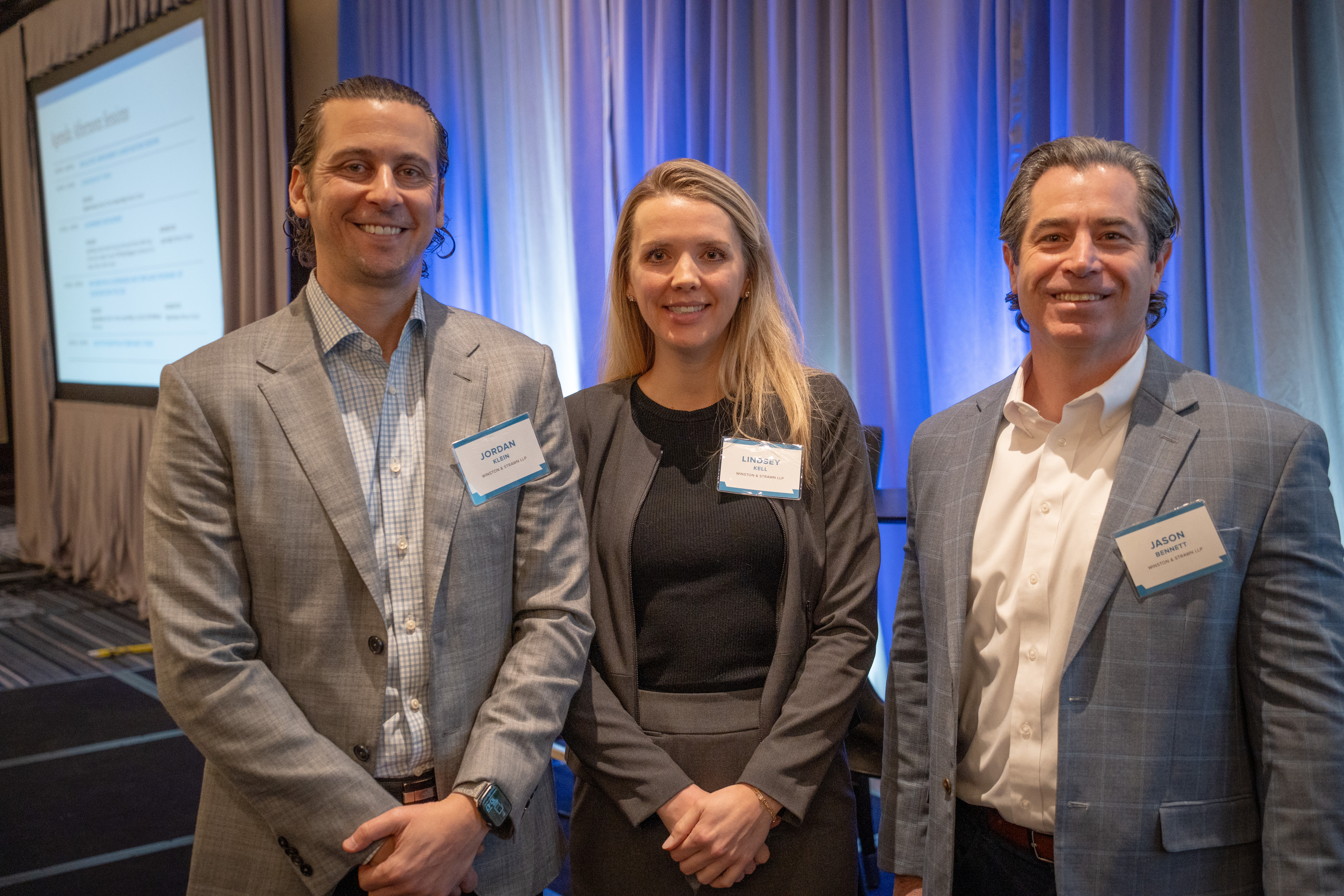
Panel 1: Lending | 10:00 a.m. – 11:00 a.m.
Discuss the latest trends in lending, including private credit markets, structured finance, and more.
Moderator
- Jordan Klein, Co-Chair, Financial Services Industry Group; Co-Chair, Asset-Based Lending Practice, Winston & Strawn LLP
Panel
- Lindsey Kell, Partner, Global Finance, Winston & Strawn LLP
- Jason Bennett, Co-Chair, Asset-Based Lending Practice, Winston & Strawn LLP
Key takeaways
- Private credit normalization and convergence with banks: Private credit remains central in 2025–2026, with increased bank–direct lender partnerships (first-out/second-out, enterprise ABL) and product innovation blurring lines between sponsors, banks, and credit funds.
- Rate and regulation whiplash management: Easing rates will unlock refinancings, amend‑and‑extend activity, and releveraging from existing collateral, but proposed deregulation and ongoing consolidation/specialization will produce uneven credit availability and pricing dispersion across sectors.
- Distress triage becomes programmatic: Recurring themes include covenant pressure in interest‑rate sensitive and asset‑light businesses, NAV and holdco stress, tighter liquidity sweeps, and a shift to pre-negotiated solutions (uptiers, PIK toggles, collateral re-mixes) to avoid value-destructive processes.
Panel 2: FinTech & Digital Assets | 11:00 a.m. – 12:00 p.m.
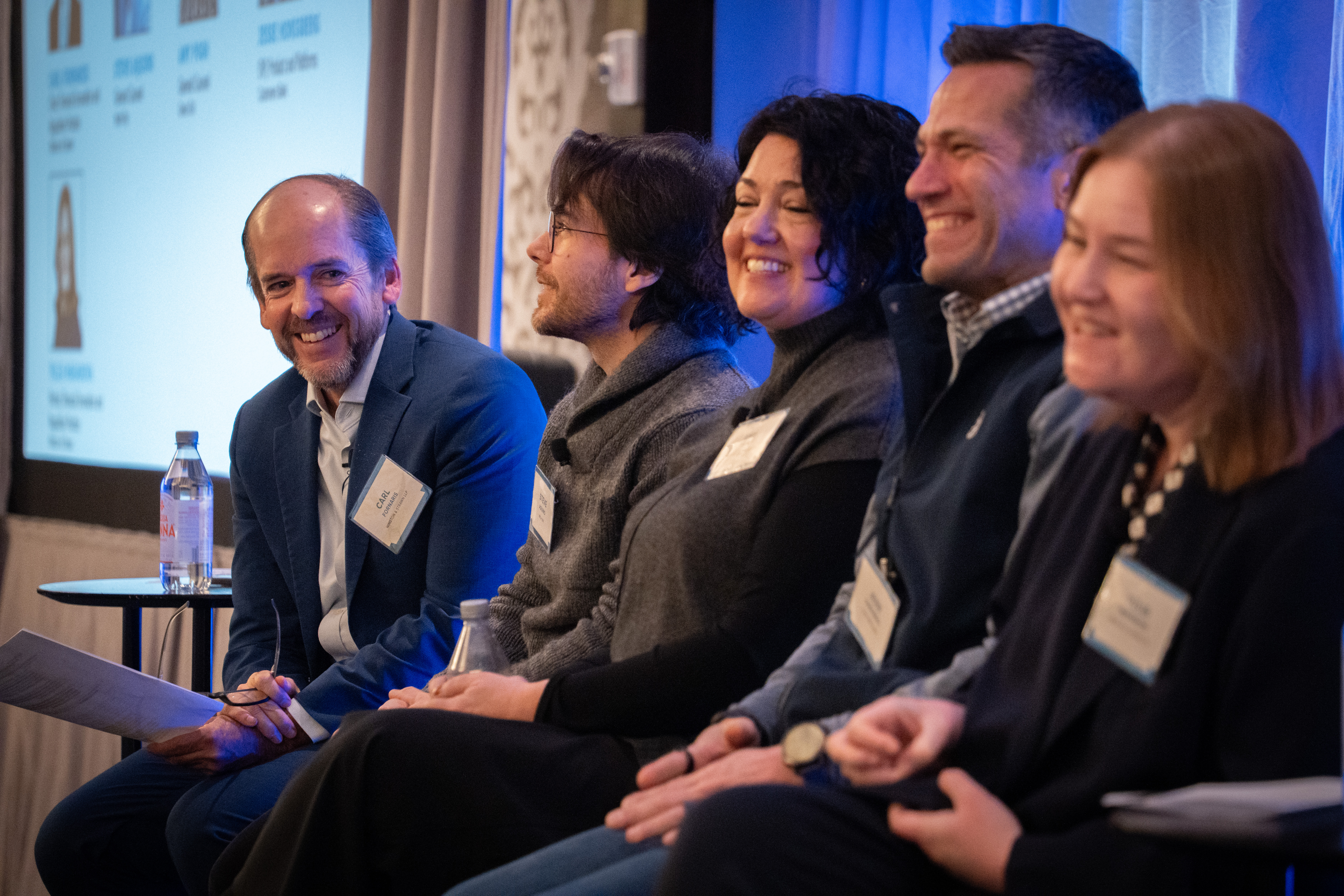
Explore this rapidly evolving sector with discussions on the GENIUS Act, litigation trends, regulatory compliance, supervision and enforcement, and more.
Moderator
- Carl Fornaris, Chair, Financial Innovation & Regulation Practice, Winston & Strawn LLP
Panel
- Steve Aquino, General Counsel, Mesh Pay
- Jesse Honigberg, EVP, Product and Platforms, Customers Bank
- Amy Pugh, General Counsel, Green Dot
- Yulia Makarova, Partner, Financial Innovation & Regulation Practice, Winston & Strawn LLP
key takeaways
- Charter vs. partnership recalibration, not replacement: Bank partnerships face higher compliance expectations, but charters remain valuable for stable funding and supervision; expect hybrid models and selective charter pursuits while “banking without a charter” stays niche and use-case specific.
- Product rails are tokenizing and modularizing: Payments, deposits, and card stacks continue modular unbundling; tokenized deposits and on-chain settlement see pragmatic pilots, with cross-border/payments and treasury as near-term bridge use cases between U.S. and UK/EU markets.
- Open banking and supervision drive outcomes: U.S. moves toward consumer-permissioned data and third‑party risk frameworks, while UK/EU stay ahead on open‑data mandates; regulatory convergence on AML, custody, and disclosures shapes which digital-asset models scale.
Keynote Speaker & Lunch
An interactive session with Chris DeSantis, an independent organizational behavior practitioner, speaker, podcast host of Cubicle Confidential, and author of Why I Find You Irritating: Navigating Generational Friction at Work. Chris shared insights on understanding, appreciating, and leveraging generational perspectives to benefit our companies and teams.
Regulatory, Enforcement & Investigations Sessions
Panel 3: Litigation Hot Topics | 1:45 p.m. – 2:15 p.m.
Review the year’s most consequential disputes in financial services. The panel will distill emerging trends, key court decisions, and practical defense and risk‑mitigation strategies to help institutions anticipate what’s next.
Panel
- Elizabeth Ireland, Partner, White Collar & Government Investigations, Winston & Strawn LLP
- Stacie Knight, Of Counsel, Complex Commercial Litigation, Winston & Strawn LLP
Key Takeaways
- Crypto, consumer finance, and data converge: Plaintiffs are leveraging Video Privacy Protection Act (VPPA) claims and pixel-tracking lawsuits to create new privacy-based theories of liability.
- Contract engineering under strain: Disputes over liability allocation in banking-as-a-service, API uptime, and vendor SLAs grow, testing indemnities, arbitration clauses, and limitation-of-liability constructs.
- AI-related claims emerge: Early waves focus on training data/IP, automated decisioning bias, and disclosure adequacy, with courts scrutinizing model documentation and governance records.
Panel 4: Government Enforcement | 2:15 p.m. – 3:15 p.m.
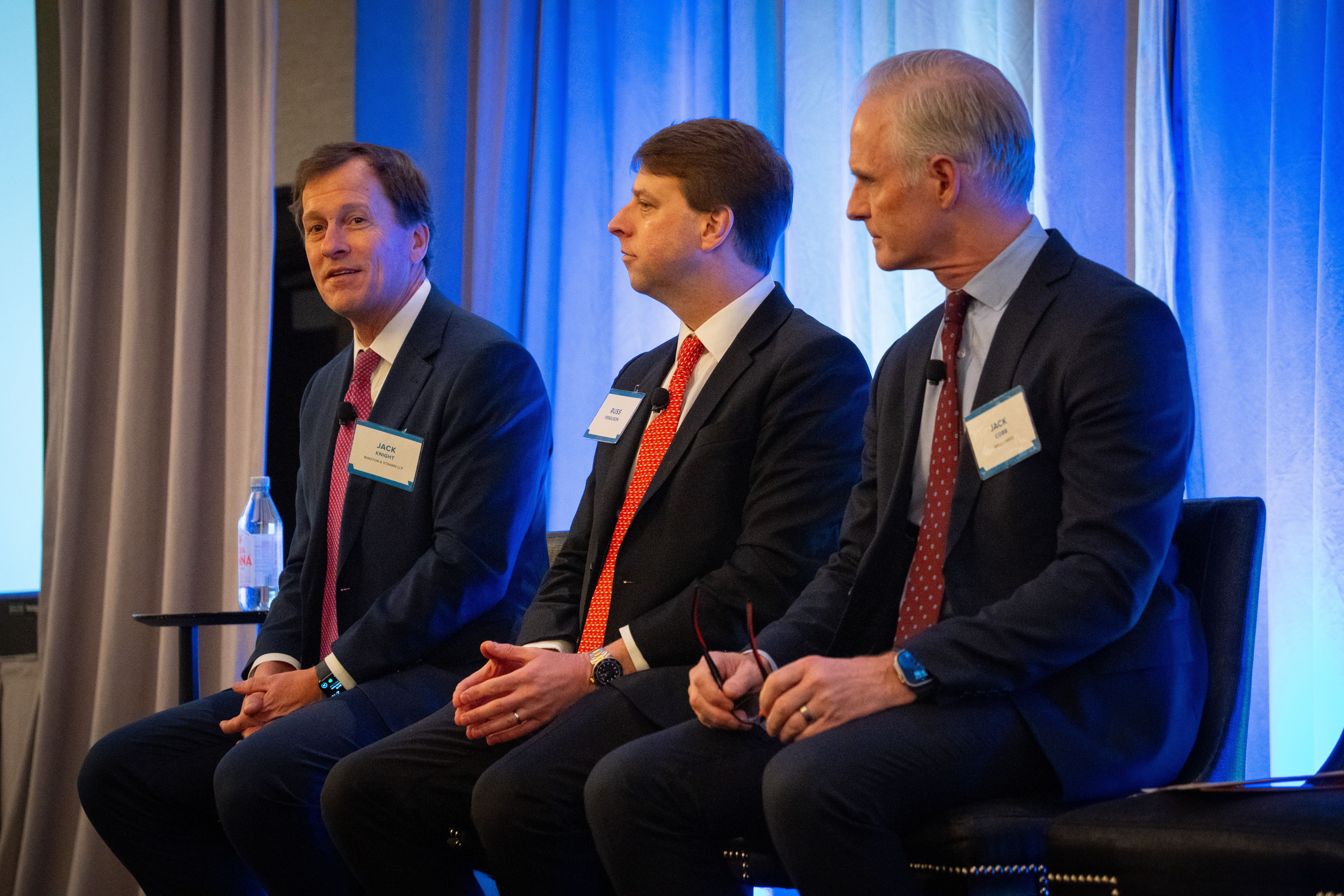
Explore the latest trends from the Department of Justice and other regulatory bodies overseeing financial services companies. This panel will cover the government's key priorities, including investigations into alleged debanking practices, anti-money laundering (AML) issues, compliance with know your customer (KYC) regulations, and asset recovery initiatives.
Moderator
- Jack Knight, Chair, Financial Services Litigation Practice, Winston & Strawn LLP
Panel
- Russ Ferguson, US Attorney for the Western District of North Carolina
- Jack Cobb, Assistant General Counsel and Executive Director, Wells Fargo; Former Senior Litigation Counsel, CFPB
Panel 5: Implementing AI Governance and Compliance Programs: Key Considerations for 2026 | 3:15 p.m. – 4:15 p.m.
Explore and confront the risks of AI as experts unpack cutting‑edge use cases, emerging legal and ethical frameworks, and practical governance for responsible deployment.
Moderator
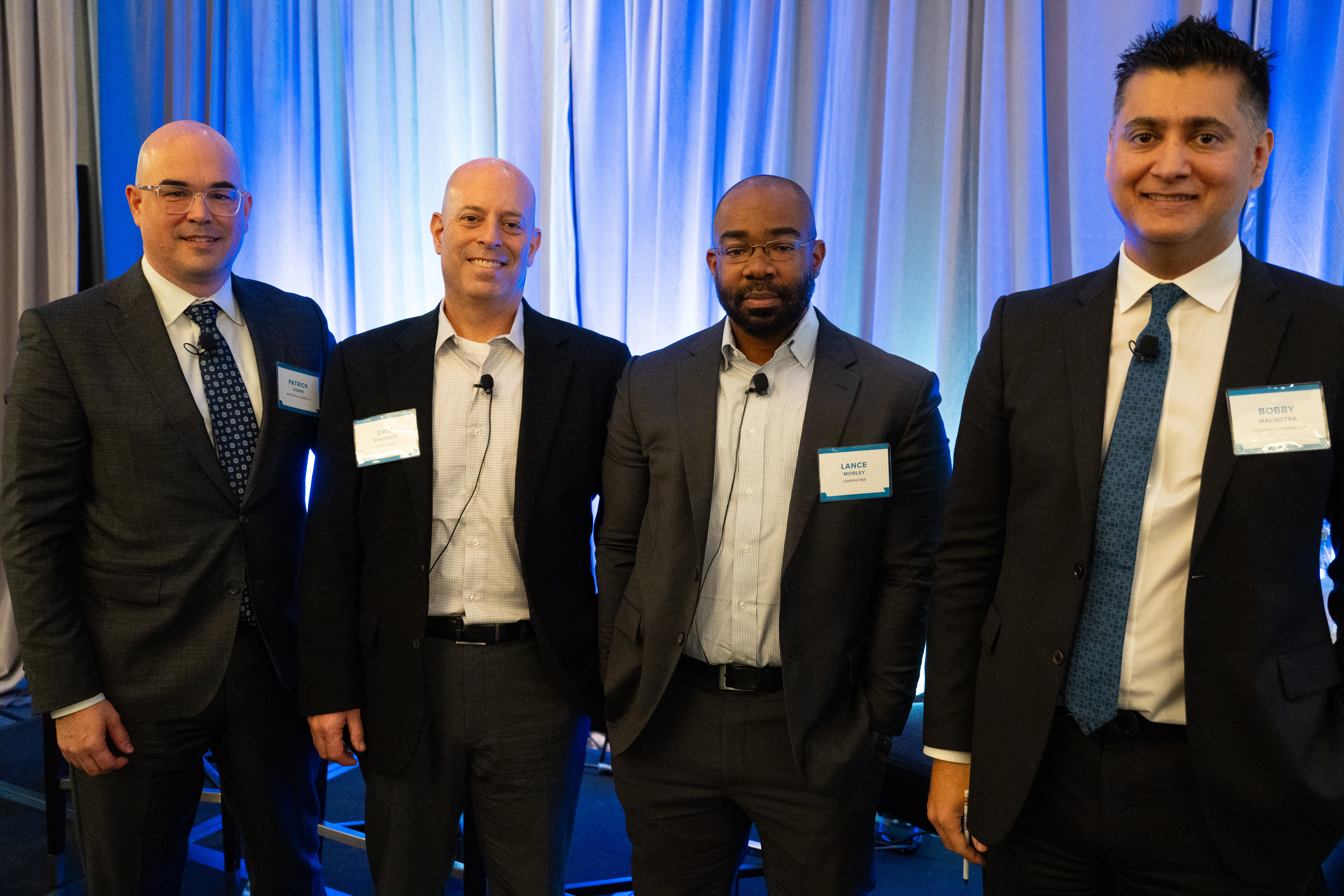
- Patrick Doerr, Partner, White Collar & Government Investigations, Winston & Strawn LLP
Panel
- Eric Robinson, Vice President/Managing Director, Global Advisory Services & Strategic Solutions, KLDiscovery
- Bobby Malhotra, Chair, eDiscovery and Information Governance Practice, Member, Artificial Intelligence Strategy Group, Winston & Strawn LLP
- Lance Morley, Senior Associate General Counsel, LendingTree
Key Takeaways
- Governance must be operational, not ornamental: Effective programs tie model inventories to risk tiers, assign accountable owners, and integrate review gates into SDLC and procurement—supported by cross‑functional committees with real decision rights.
- Privilege and vendor diligence are pivotal: Protect sensitive evaluations and testing under counsel where possible; enhance third‑party diligence for model provenance, data rights, security, and service terms, especially for GenAI and transcription tools.
- Stay current through lightweight, repeatable cycles: Quarterly risk scans, policy refreshes, and horizon‑scanning across EU/UK and U.S. developments keep controls proportionate as regulations evolve and business use cases scale.
Rooftop Reception | 4:00 p.m. – 6:00 p.m.
Related Professionals